NBC The Voice Season 30 Fall 2026 Schedule, New Coaches, and Massive Format Rule Changes Explained
The red chairs are spinning again, but Season 30 of The Voice is not treating its milestone year like a simple victory lap. NBC is launching the landmark season on Monday, September 21, 2026, as part of its fall television lineup, and the production has made it clear that nostalgia will only take the show so far. Alongside familiar faces, the new season introduces structural changes that could seriously alter the way artists move through the competition.
That matters because The Voice has spent fifteen years refining its formula. The Blind Auditions, Battles, Knockouts, Live Shows and public voting system have become almost as recognizable as the coaches themselves. Season 30 starts pulling at several of those familiar threads, replacing established mechanisms with faster eliminations, new coach advantages and more immediate viewer participation.
The result is a season that appears designed to connect the show’s long history with the way audiences watch television in 2026. The coaching panel is changing, the voting system is moving further into mobile and social media, and even the path to the Live Shows has been rebuilt. Here is what viewers can expect when the milestone season begins.
The Complete Fall 2026 Broadcast and Peacock Schedule
NBC is opening Season 30 with an unusually busy three-night premiere week. Instead of stretching the Blind Auditions across a single opening episode, the network is using four hours of programming across Monday, Tuesday and Wednesday to establish the new season and its expanded format.
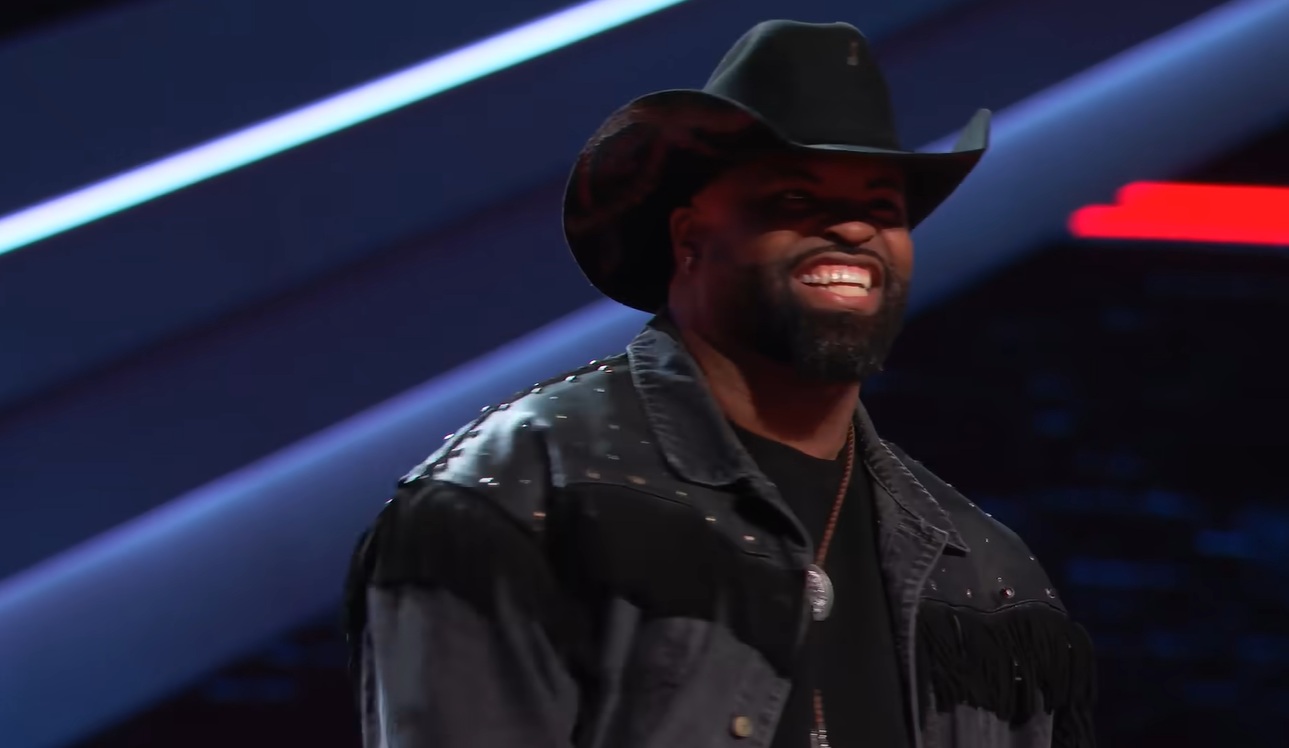
The premiere schedule is as follows:
- Monday, September 21, 2026: A two-hour premiere runs from 8:00 PM to 10:00 PM ET/PT, with the first major batch of Blind Auditions taking center stage.
- Tuesday, September 22, 2026: A one-hour episode airs from 8:00 PM to 9:00 PM ET/PT.
- Wednesday, September 23, 2026: Another one-hour episode airs from 8:00 PM to 9:00 PM ET/PT, bringing the opening week to four hours in total.
It is a fairly aggressive start for a singing competition that has already built a huge audience. The advantage is obvious: viewers get a much clearer look at the new coaching panel and format before the regular schedule settles in. The risk is that four hours in three nights could make the opening stretch feel packed, particularly if the production tries to introduce every new rule at once.
Once premiere week is over, The Voice returns to a more familiar Monday-night pattern.
During September and October, the show will air for two hours every Monday from 8:00 PM to 10:00 PM ET/PT. When the competition moves into its later stages during November and December, the schedule changes to a one-hour Monday-night broadcast beginning at 9:00 PM ET/PT.
There is also a significant change waiting for viewers once the Live Shows arrive. NBC has announced that the Season 30 Live Shows will be simulcast live on Peacock across all U.S. time zones. That means viewers on the West Coast will no longer be watching a delayed version of the same broadcast while the East Coast audience already knows what happened.
For anyone who cannot watch in real time, episodes will remain available for next-day streaming on Peacock beginning at 6:00 AM ET on Tuesday mornings. The combination of simultaneous broadcast and next-day streaming gives Season 30 a more unified viewing structure, especially during episodes where public voting can directly affect the competition.
Meet the Season 30 Coaches
Season 30 returns to the traditional four-coach setup after the three-coach configuration used during the Spring 2026 Battle of Champions season. The panel combines established Voice veterans with two major newcomers, creating a very different dynamic around the red chairs.
| Coach | Season 30 Role | Key Background |
|---|---|---|
| Adam Levine | Team Adam | Maroon 5 frontman and returning coach |
| Kelly Clarkson | Team Kelly | Singer and longtime Voice coach |
| Queen Latifah | Team Latifah | Grammy-winning rapper, singer and Oscar-nominated actress |
| Riley Green | Team Riley | Country singer-songwriter and first-time coach |
Adam Levine Returns to Team Adam
Adam Levine returns after coaching during the Spring 2026 season, giving him another opportunity to build on his recent success. This is his 19th season as a coach, and his four previous team victories put him among the show’s most experienced competitors.
Levine’s coaching style has always been tied to personality as much as vocal technique. He can be blunt, competitive and playful within the same conversation, and that usually gives his team dynamics a distinct edge. With three new faces around him, his familiarity with the mechanics of The Voice could become particularly important once the competition starts moving quickly.
Kelly Clarkson Brings Her Experience Back
Kelly Clarkson returns for her 11th season on the coaching panel, continuing one of the most recognizable coaching careers in the show’s history. The former singing-competition champion has the unusual advantage of understanding the contestant experience from both sides of the process, and that perspective has long shaped the way she works with artists.
Clarkson also enters the season tied with Levine at four team victories. Their rivalry gives the season an established storyline before the first Blind Audition even begins, although the arrival of Queen Latifah and Riley Green immediately complicates that familiar matchup.
Clarkson’s biggest challenge may be balancing her coaching responsibilities with her successful daytime television career. If the production leans heavily into the competitive chemistry between the four coaches, she should have plenty of opportunities to remind viewers why she has remained such a central figure in the franchise.
Queen Latifah Makes Her Full-Time Coaching Debut
Queen Latifah is arguably the most distinctive addition to the panel. A Grammy-winning rapper, singer and Oscar-nominated actress, she arrives with a career that crosses music, film and television in ways that few other coaches can match.
Her presence also broadens the musical vocabulary of the panel. Latifah has worked across hip-hop, soul, jazz and mainstream entertainment, which could influence the types of performers she targets during the Blind Auditions. She also brings a different perspective on stagecraft, particularly for artists who need to develop an identity beyond simply delivering technically strong vocals.
The interesting part will be watching how that experience translates into the show’s highly competitive coaching format. Being an accomplished performer is one thing. Turning that experience into a winning team is another.
Riley Green Takes the Country Chair
Riley Green steps into his first season as a Voice coach, representing the show’s country side with a more traditional singer-songwriter background. His music is rooted in country storytelling, acoustic performance and Southern influences, making him a natural fit for contestants who rely on authenticity rather than elaborate production.
Green’s lack of previous coaching experience could also make his interactions with the other coaches particularly interesting. Unlike Levine and Clarkson, he does not have years of Voice history behind him, so his approach will have to develop in real time.
That could work in his favor. A first-time coach does not necessarily have to play by the old habits of the show, and Green may bring a different instinct to the Blind Auditions.
Carson Daly Enters His Final Season
For longtime viewers, the biggest emotional storyline may have nothing to do with the contestants.
Carson Daly is returning for his 30th consecutive season as host, but NBC has confirmed that this will be his final season in the main hosting role. After Season 30, Daly is expected to move into a full-time behind-the-scenes executive producer position for the planned 2027 celebrity iteration.
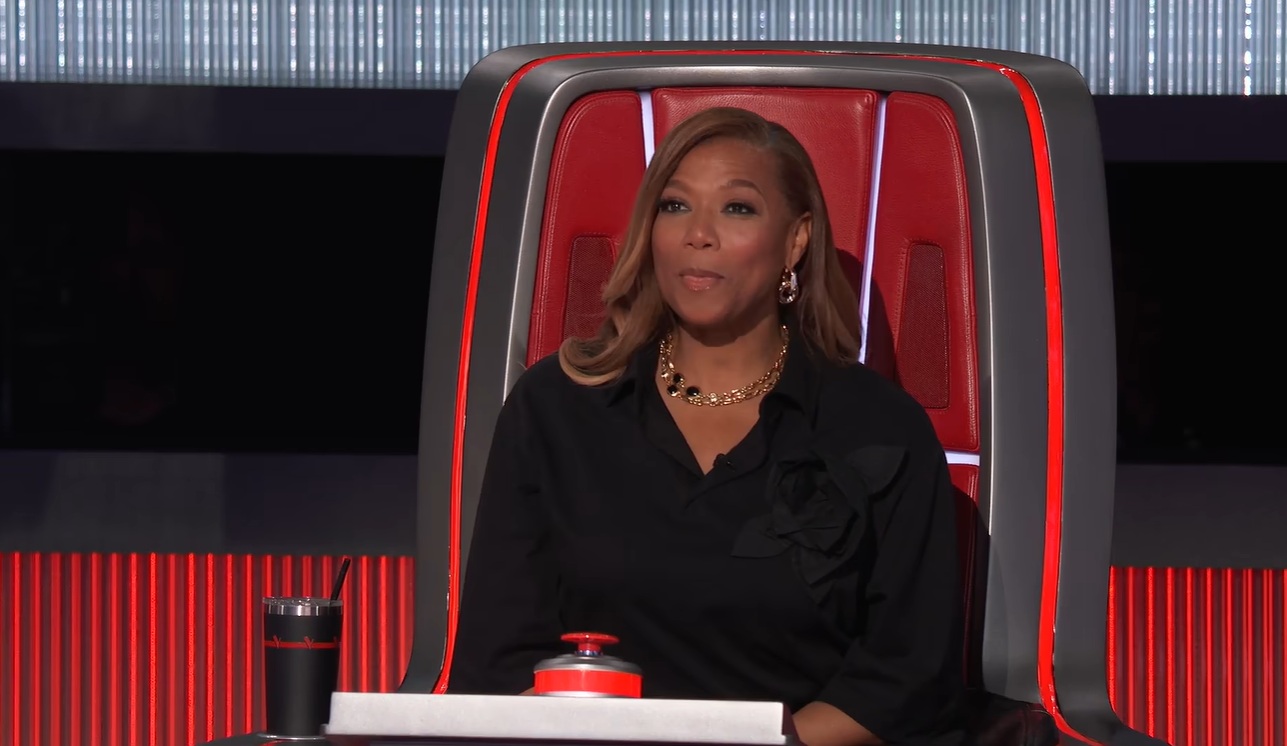
Daly has been one of the show’s most consistent presences since its beginning. He rarely needs to dominate a scene, and that restraint has become part of the show’s identity. His final season therefore gives the production an opportunity to acknowledge the history of the franchise without turning every episode into a farewell special.
The First In Button Changes the Blind Auditions
One of the biggest format additions arrives before contestants even reach the later rounds.
During the Blind Auditions, coaches receive access to a new feature called the First In Button. When multiple coaches turn their chairs for the same artist, the coach who physically hit the buzzer first can activate the button and automatically claim that contestant for their team.
That changes one of the central rituals of The Voice. Traditionally, a contestant who receives multiple chair turns gets to listen to the coaches make their pitches before deciding which team to join. The First In Button removes that choice when the feature is used.
There is an important limitation, though. Each coach can use the First In Button only once during the entire Blind Audition round. That makes timing crucial. A coach could potentially secure a particularly valuable artist, but using the button too early might mean giving up the advantage before an even stronger contestant appears later.
The rule also creates a new layer of strategy for the coaches. Instead of simply deciding whether an artist is good enough to turn for, they have to judge whether that particular audition is worth spending their one automatic claim.
Knockouts Are Gone, and Cut Week Takes Their Place
The traditional Knockout Rounds are being removed for Season 30 and replaced by a new elimination stage called Cut Week.
The structure is considerably harsher. Each coach begins with 12 artists and must immediately choose two contestants to advance directly into the Live Shows. The remaining ten artists then face a more compressed fight for the final places.
According to the new format described for the season, five of the remaining artists on each team will compete simultaneously for the third and final position on that coach’s Live roster. The broader goal is to reduce the original field of 48 contestants down to a Top 12.
The structure creates a different kind of pacing. The Knockouts traditionally gave contestants room to establish a narrative through head-to-head performances. Cut Week appears designed to remove much of that breathing space. Artists will have fewer opportunities to recover from a weak performance, and coaches will have to make important decisions almost immediately.
For viewers, that could make the middle section of the season considerably less predictable.
The Top 13 Wildcard Gives Viewers One More Decision
Even after Cut Week produces the official Top 12, the competition is not finished.
NBC is introducing a viewer wildcard that allows the public to rescue one eliminated artist. Following Cut Week, viewers will receive a special voting window in which they can choose an eliminated contestant from any team.
The artist receiving the highest public vote total will return to the competition, creating a Top 13 heading into the Live Shows.
This is a smart structural way to give the audience a meaningful role before the main live voting period begins. It also gives eliminated contestants a final opportunity to reconnect with viewers who may have disagreed with their coach’s decision.
Voting Moves to SMS and TikTok
The biggest technological shift comes during the six-week Live Show phase. Instead of relying primarily on the show’s previous app-based voting system, Season 30 introduces direct SMS voting and TikTok participation.
Real-Time SMS Voting
Viewers will be able to vote during the live East Coast broadcast by sending a text message containing the designated keyword for their preferred artist to the short-code number provided during the episode.
The system brings back the simplicity of traditional television voting. There is no separate app to download, and the instructions can be presented directly during the broadcast.
The timing is important, though. Because the Live Shows will be simulcast across the country, the voting window will operate in real time rather than waiting for a delayed West Coast broadcast.
TikTok Comment Voting
The second major change brings voting directly into TikTok. Viewers can visit the official verified The Voice account and participate through structured comments beneath performance clips posted during the broadcast.
The idea is clearly aimed at viewers who already consume music and television through social platforms. TikTok has become an important part of how songs, performers and television moments gain visibility, so integrating it into the voting process gives the show a direct connection to that ecosystem.
It also changes the nature of audience participation. Viewers are no longer simply watching a performance and voting later. They can react to the performance while it is still circulating through social media.
The voting windows will open and close quickly, with the results calculated and announced during the same night’s episode.
Doc Season 3 Episode Guide: Plot, Cast, and Is It Worth Watching?
The Season 30 Prize Adds a Major Live Performance
The traditional recording-contract prize remains part of the competition, but Season 30 adds another major opportunity for the eventual winner.
NBC has partnered with Live Nation Studios and the Governors Ball Music Festival, giving the Season 30 champion a guaranteed main-stage performance slot at the 2027 Governors Ball Music Festival in New York City.
That changes the practical value of winning the show. A recording contract is an obvious prize, but a major festival appearance puts the winner directly in front of a large live audience and industry professionals only months after the television competition ends.
For a new artist, that kind of immediate stage exposure can be an important bridge between reality television and a sustainable music career. Whether the opportunity ultimately translates into long-term success, of course, will depend on what happens after the cameras stop rolling.
What to Expect From The Voice Season 30
- Premiere: Monday, September 21, 2026, at 8:00 PM ET/PT on NBC.
- Premiere Week: Three consecutive nights, totaling four hours of opening-week programming.
- Streaming: Next-day episodes on Peacock, with Live Shows simulcast live across U.S. time zones.
- Coaches: Adam Levine, Kelly Clarkson, Queen Latifah and Riley Green.
- Host: Carson Daly, appearing in his final season as the show’s main host.
- Blind Auditions: The new First In Button gives each coach one opportunity to automatically claim an artist.
- Elimination Format: Traditional Knockouts are replaced by Cut Week.
- Wildcard: Viewers can vote one eliminated contestant back into the competition, creating a Top 13.
- Live Voting: SMS and TikTok participation replace the previous app-centered approach.
- Final Prize: The winner receives a guaranteed main-stage performance opportunity at the 2027 Governors Ball.
What makes Season 30 interesting is not simply the size of the milestone. The production is actively changing the machinery of the competition while keeping the elements that made The Voice recognizable in the first place. The red chairs are still there, the coaches are still fighting over singers, and the audience still has a role in deciding who survives.
But the pacing is different. Cut Week removes one of the show’s familiar stages, the First In Button takes away some contestant choice during the Blind Auditions, and the new voting system pushes audience participation directly into social media and live television.
That combination should make the early weeks particularly important. The premiere establishes the new coaching chemistry, the Blind Auditions introduce a rule that can immediately reshape a team, and Cut Week could turn the middle of the competition into a much faster elimination machine than longtime viewers are used to.
Season 30 therefore has a very specific challenge: celebrate fifteen years of The Voice without simply repeating them. Whether every format experiment works smoothly remains to be seen, but at least on paper, NBC is giving its veteran singing competition plenty of new material to work with.